

Animal Research at the CIMH
Animal research helps us understand the neurobiological mechanisms underlying mental disorders and develop new treatments. Animal models do not replicate the disease itself, but rather specific processes such as stress response or fear conditioning. This allows us to identify disease mechanisms and apply these findings specifically to humans—always with strict regard for animal welfare.
Are the results of animal studies transferable to humans?
Yes—through translational research, many findings from animal studies can be applied to humans. While animal studies do not replicate the entire disease but rather individual processes or typical characteristics, they do allow us to investigate causal relationships between brain function, behavior, and interventions. A good example is our addiction research, which spans from animal models to human subjects. In this work, we investigate how preclinical findings can be translated into new therapeutic approaches, prevention strategies, and treatment options. At the same time, we take into account comorbid psychiatric disorders, social factors, and neural networks to gain a comprehensive understanding of addiction.
Why is basic research important?
Basic research reveals how the brain, cells, and molecules control behavior, even before therapies can be developed based on these findings. One example is our work on oxytocin, a neurotransmitter that promotes social behavior. In animal studies, we were able to identify which neurons and neural circuits activate oxytocin, ensuring that social interaction persists even under physical stress such as hunger. These findings help us better understand the neural basis of behavior and mental disorders. Many conditions, such as anxiety disorders, autism, or depression, are associated with changes in social behavior. Only when we fully understand the mechanisms involved can we develop effective therapies and improve existing ones.
How is the stress experienced by laboratory animals scientifically studied?
Animal models are still indispensable at present, but we have a responsibility to keep stress to a minimum. Laboratory animal science, which deals with the housing, care, breeding, and use of animals in research, investigates how animals respond to experiments and which factors influence their health, behavior, and well-being. Example: FOR2591 Project: This research group, funded by the German Research Foundation (DFG), is developing new methods for the objective measurement and assessment of stress levels in laboratory animals to improve monitoring and animal welfare in research.
Who oversees animal experiments at the CIMH?
The animal facility and our animal research projects are subject to ongoing oversight by the licensing and regulatory authorities (the City of Mannheim Veterinary Office, the Karlsruhe Regional Council, veterinarians, and the Animal Welfare Act).
Rats in Psychiatric Research
In our animal laboratory, rats and mice are bred and housed under controlled genetic and hygienic conditions. Rats are particularly valuable for psychiatric research because they exhibit sophisticated cognitive and social behaviors, such as learning rules, recognizing social hierarchies, and solving complex tasks—abilities that are also relevant to many mental disorders.
Their larger brains allow for precise measurements, minor surgical procedures, and imaging. Additionally, rats exhibit robust stress and reward responses that reflect key mechanisms of psychiatric disorders. Many animal models for anxiety, depression, addiction, or social deficits were first developed and standardized in rats. As a result, the results are generally comparable and reproducible across laboratories. Rat models thus provide important preclinical data that contribute to the translation of findings to human diseases.
When are animal experiments permitted?
Animal experiments are strictly regulated in Germany. They may only be conducted if several requirements are met:
- Clear scientific research question: The specific objective of the study and the intended findings must be precisely described.
- Careful weighing of benefits and harm: The expected scientific or medical benefits must justify the harm caused to the animals.
- Adherence to the 3Rs principles:
- Replacement: Alternative methods are used whenever possible.
- Reduction: The number of animals is limited to the absolute minimum.
- Refinement: Procedures are designed to minimize distress.
- Approval and oversight: Every study is reviewed in advance by competent authorities and independent committees and monitored during its conduct.
This ensures that scientific responsibility, legal requirements, and animal welfare are closely intertwined. Further information can be found here:
https://www.tierversuche-verstehen.de/
https://www.3r-rn.de/
Housing Conditions for Laboratory Animals
Our facility is divided into two areas: a breeding area with particularly high hygiene standards and an experimental area with optimal access for researchers. Dedicated animal care staff, animal welfare officers, animal house managers, and researchers ensure the well-being of our animals. Our animal husbandry practices are officially approved and are subject to regular inspections, including unannounced visits.
Housing and Care
We keep mice and rats at the CIMH. The animals’ well-being is our top priority, and we ensure it through the following measures, among others:
- Nutrition: balanced complete feed, freely accessible as needed, time-limited, or controlled; optional additional treats such as sunflower seeds
- Drinking water: fresh and clean at all times, partially chemically treated
- Room climate and lighting: constant temperature, humidity, and air exchange; light-dark cycle adapted to the animals’ activity phases; hiding places in all cages
- Environment (“Environmental Enrichment”): hiding places, social interaction, nesting material, chew toys, and other toys depending on the experiment; regular monitoring to prevent stress
The CIMH is committed to responsible and animal-friendly care that exceeds legal minimum requirements, in accordance with the Animal Welfare Act and EU Directive 2010/63/EU.
Continuous improvement of housing conditions: Example
The Animal Welfare Committee and the Animal Laboratory have developed a multi-level play enclosure that provides the animals with more space and allows them to better express natural behaviors such as jumping, climbing, exploring, seeking shelter, and social interaction. This enclosure is our prototype and thus the first of its kind at the CIMH. In the future, we would like to provide our researchers with similar structures as playpens. A playpen is a structured, secure exercise area for laboratory rats outside the cage, which is available on a temporary basis. There, they can climb, run, dig, and engage in their natural social and exploratory behaviors. This promotes physical activity, cognitive stimulation, and well-being.
Transparent Animal Testing – What Does That Mean?
The CIMH is a founding signatory of the Transparent Animal Testing Initiative, a coalition of institutions committed to providing open information about animal testing. The goal is to give the public insight, exchange experiences, publicize their own activities, and improve internal communication – an approach that also supports the goals of the Culture of Care.
Measures for transparent communication about animal research at the CIMH – in line with the Transparent Animal Research Initiative – include:
Redesign of the website
The most visible change is the redesign of the website on animal research at the CIMH – with more information and deeper insights for the general public.
Podcast
The hörbar ZI podcast explores the topic of animal testing over two episodes:
- Episode 2: The Animal Facility – Animal Breeding and Animal Welfare at the CIMH
- Episode 3: Animal Research and Animal Testing at the CIMH
The hosts speak openly with the animal facility director (Dr. Anne Mallien), an animal welfare officer (Dr. Anne-Kathrin Deubel), and researchers (Dr. Marcus Meinhardt, Dr. Anne Mallien) about their work—offering a transparent look into the animal laboratory and, by extension, animal research. The podcast is primarily aimed at CIMH employees, but is accessible to anyone interested: hörbar ZI | Podcast on Spotify.
Welcome Day
New employees at the CIMH are regularly welcomed at a Welcome Day. During this event, we introduce our new colleagues to the animal laboratory and engage in direct dialogue with them.
Laboratory Animal Day
For several years now, we have been organizing events for “Laboratory Animal Day” that are open to all employees. The goal is to gather new ideas and to inform colleagues outside the lab about our work.
Culture of Care – What Does It Entail?
Our workplace culture influences how we feel at work and how our animals are faring. The Culture of Care promotes care, respect, and animal welfare—it supports employees, reduces their workload, and ensures the well-being of the animals at the same time.
Culture of Care affects everyone—from management to employees who work directly with animals. It creates clear structures and processes and promotes the 3Rs (Replacement, Reduction, Refinement), appropriate experimental design, and improved care and animal welfare practices. We view Culture of Care as an ongoing process that is continuously developed through transparent, direct, and respectful communication, as well as a wide variety of measures.
Our weekly animal laboratory meeting also plays an important role, where all colleagues in the animal laboratory can share their concerns in addition to discussing current projects. Furthermore, we have restructured the Animal Welfare Committee to better serve both employees and animals, thereby making it even more effective.
Furthermore, many other measures contribute to animal welfare and thus to the Culture of Care, including continuous improvements in animal handling and housing conditions, as well as rehoming projects.
The Animal Welfare Committee
Our Animal Welfare Committee is a body composed of animal caretakers and research staff who voluntarily and actively advocate for animal welfare.
Although it is a legally mandated body (EU Directive 2010/63, Section 6 of the Animal Welfare Ordinance), its effectiveness depends on the ideas and actions of its members. The goal is to continuously improve conditions for laboratory animals. The Animal Welfare Committee is an important body for the Culture of Care,
Its responsibilities include supporting the animal welfare officers, participating in animal welfare-related workflows, and advising staff. In addition, the Animal Welfare Committee promotes the consistent implementation of the 3R principles (Replacement, Reduction, Refinement).
Specific measures implemented by the Animal Welfare Committee to date include, for example, the development of guidelines for the use of animals in research and teaching at the CIMH, the development of a prototype for optimized rat housing, the organization of events for Laboratory Animal Day, and the establishment of an introductory course for new employees.
The Role of Animal Welfare Officers
Research institutions that conduct animal experiments are legally required to appoint animal welfare officers (Section 10 of the Animal Welfare Act, Section 5 of the Animal Welfare Experiment Ordinance). At the CIMH, two veterinarians serve as animal welfare officers.
Animal welfare officers act independently of management and assume an independent, advisory, supervisory, and mediating role, ensuring that ethical and legal requirements are met.
Their responsibilities include providing guidance during the planning of animal experiments, particularly regarding ethical justifiability, alternative methods (3R principle: Replace, Reduce, Refine), and animal-friendly housing. In addition, they monitor compliance with legal requirements, conduct regular inspections of animal housing areas, and assess animal welfare. They also serve as the interface between research and regulatory authorities and promote the transparent and responsible use of laboratory animals.
Rehoming Our Animals – Rehoming
Through our rehoming program, we place rats and mice in suitable, species-appropriate private homes. These are primarily so-called surplus animals that have inevitably resulted from breeding and cannot be used for research projects. However, for organizational, legal, and animal welfare reasons, not all of our animals can be rehomed.
Through our rehoming program, we have already successfully placed numerous rats and mice with responsible private individuals.
Requirements for Adoption
Adoption is only possible under certain conditions, which include, in particular:
- Species-appropriate care: A sufficiently large, structured enclosure with suitable bedding, hiding spots, and enrichment opportunities must be provided
- Social housing: Rats and mice are generally only placed in groups or for integration into existing groups
- Expertise and commitment: Basic knowledge of care or a willingness to learn intensively must be present
- Veterinary care: Willingness to seek expert veterinary assistance in the event of illness or injury
- Long-term responsibility: Commitment to care for the animals for their entire lifespan
- Adoption agreement and documentation: Signing of an adoption agreement to ensure animal welfare; at minimum, photographic documentation of the new environment
Before every adoption, we conduct a personal interview to verify these requirements and ensure that the animal and its future home are a good match.
Health and Care
- The animals are under continuous veterinary supervision throughout their stay at the facility
- The animals are healthy and have a health certificate
- Their origin, age, and living conditions are fully documented
Behavior and Handling
- The animals are accustomed to humans thanks to the expert care provided by the animal caretakers
- They are tame and accustomed to handling and regular check-ups
Benefits for Adopters
- Adoption of well-socialized animals accustomed to humans with a known history
- Transparent information on care, feeding, and behavior
- Active contribution to animal welfare
Post-adoption support
- We view rehoming as a responsible, guided process
- Our goal is to prepare the animals as best as possible for the transition to private ownership and to support the new owners in the long term—always with the animals’ well-being in mind
Interested?
If you meet the requirements and are interested in adopting an animal, please write to: tierschutz(at)zi-mannheim.de
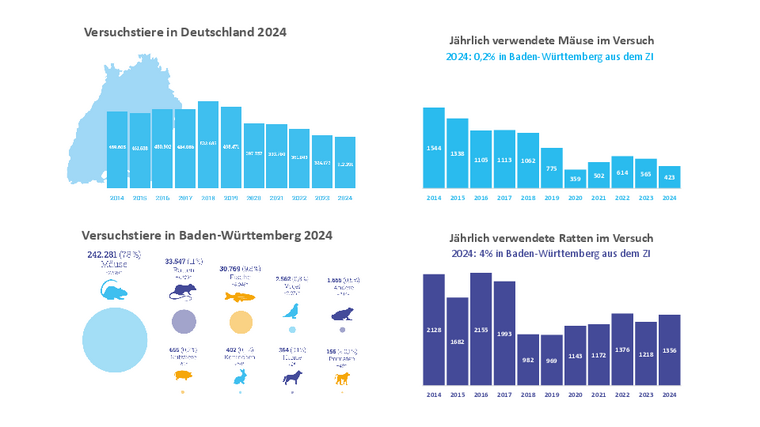
Our Animal Research in Pictures
-
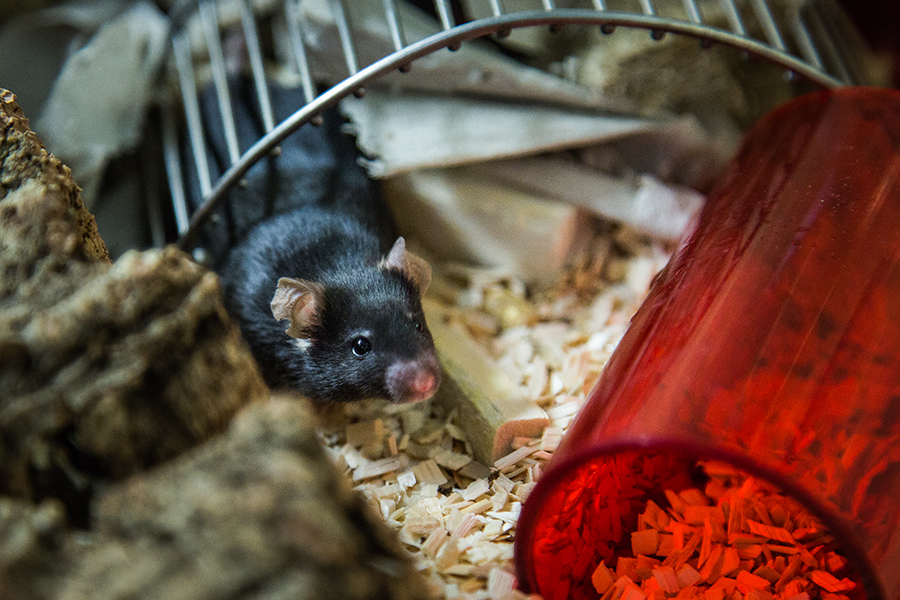
A look at how we care for our mice in their home cage. We also use natural materials like cork for our mice. Photo © Netsanet Belay
-
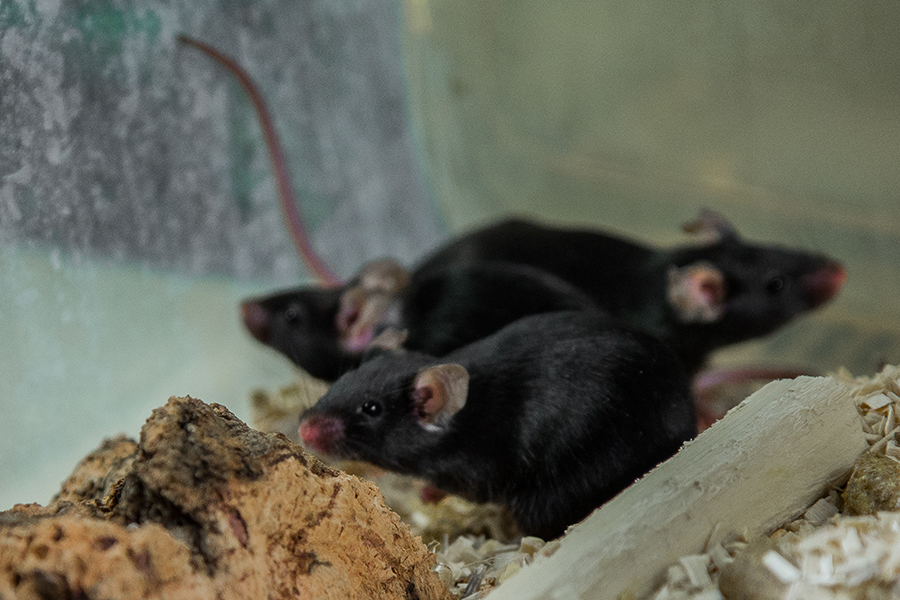
Photo © Netsanet Belay
-
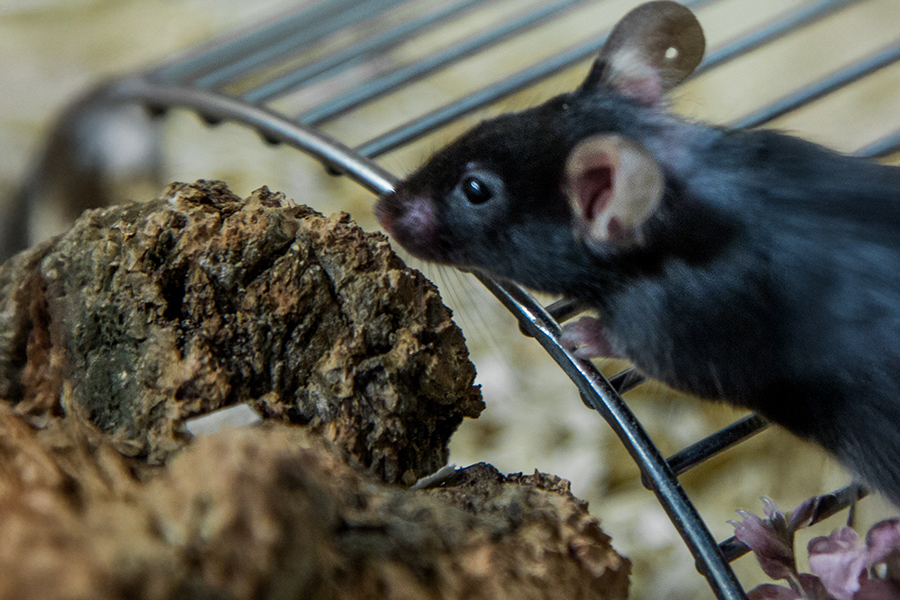
Photo © Netsanet Belay
-
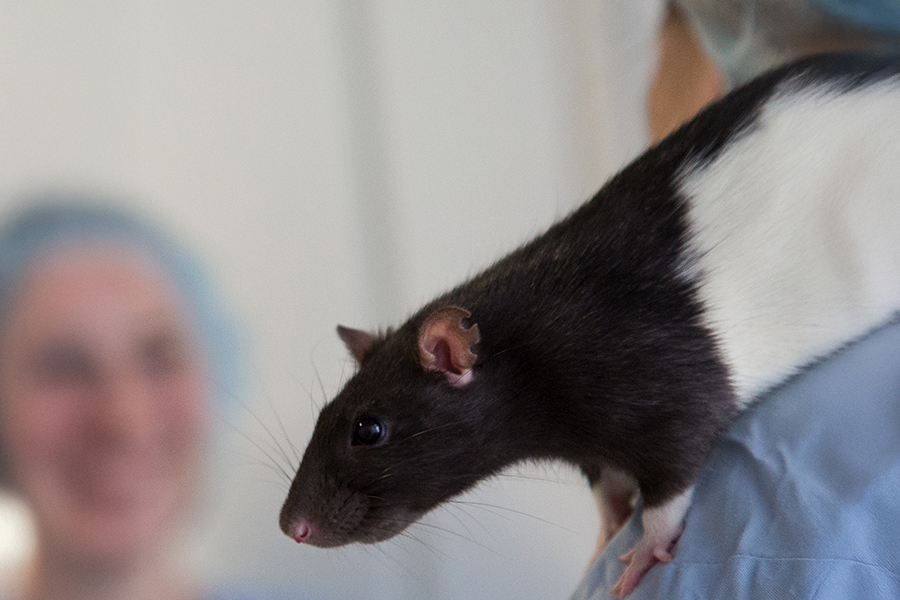
Photo © Netsanet Belay
-
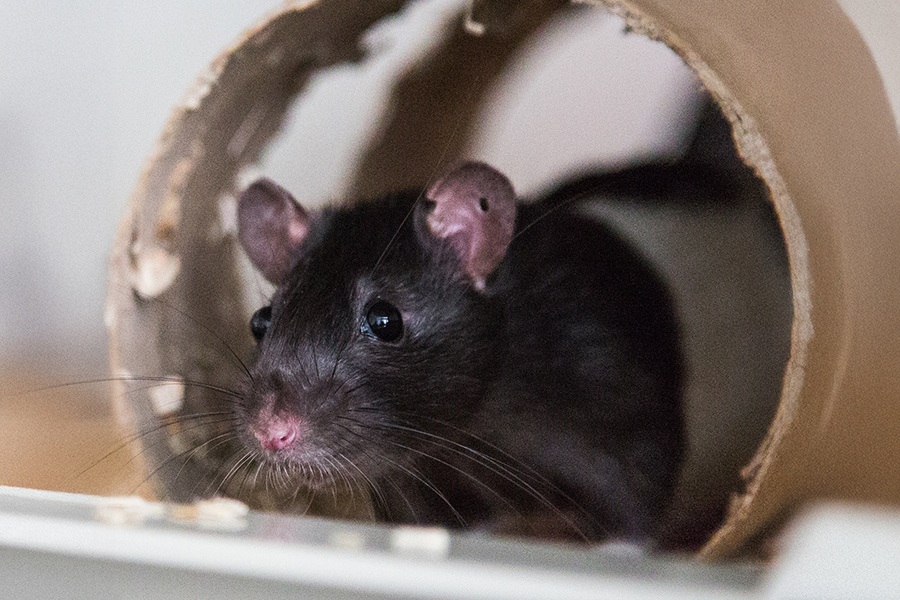
A look at how we care for our rats. Photo © Netsanet Belay
-
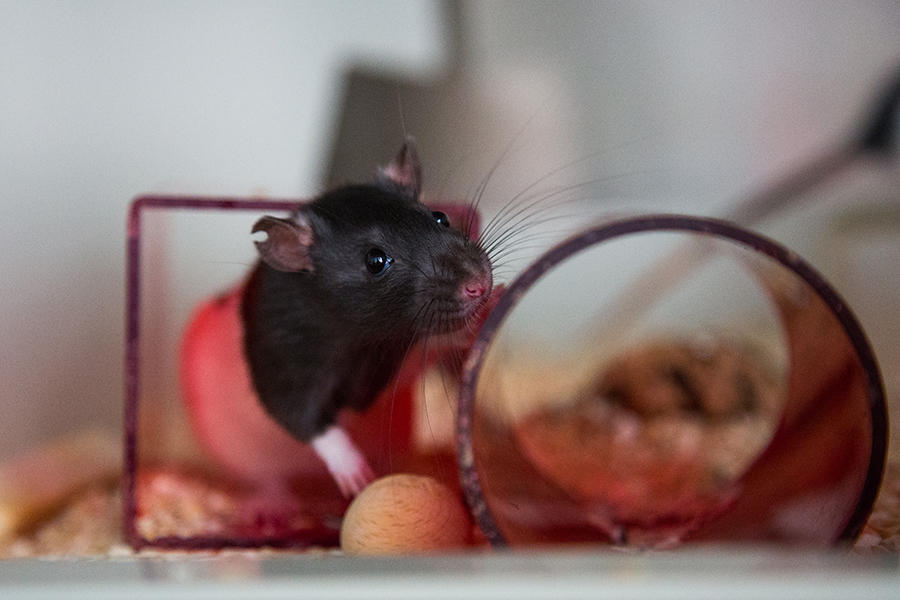
Photo © Netsanet Belay
-
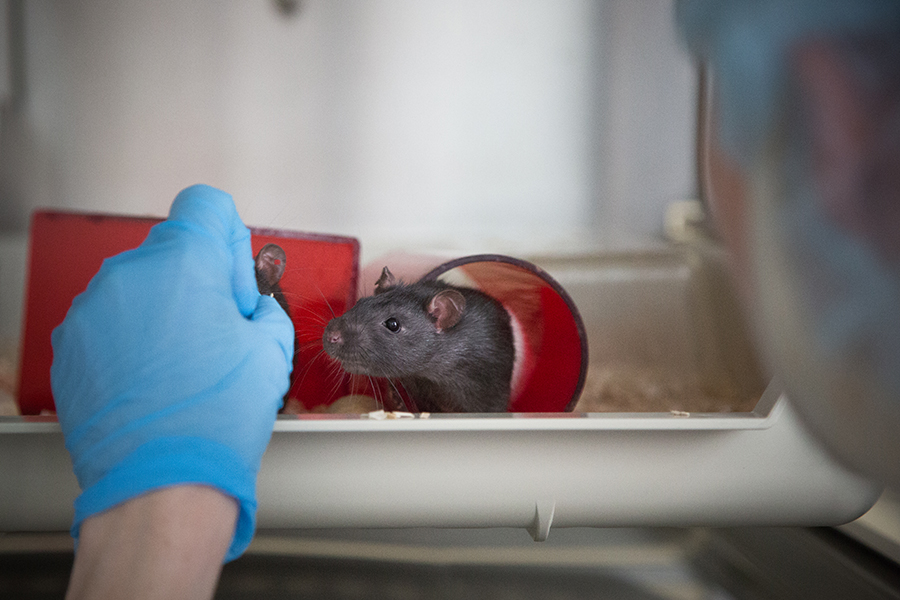
Photo © Netsanet Belay
-
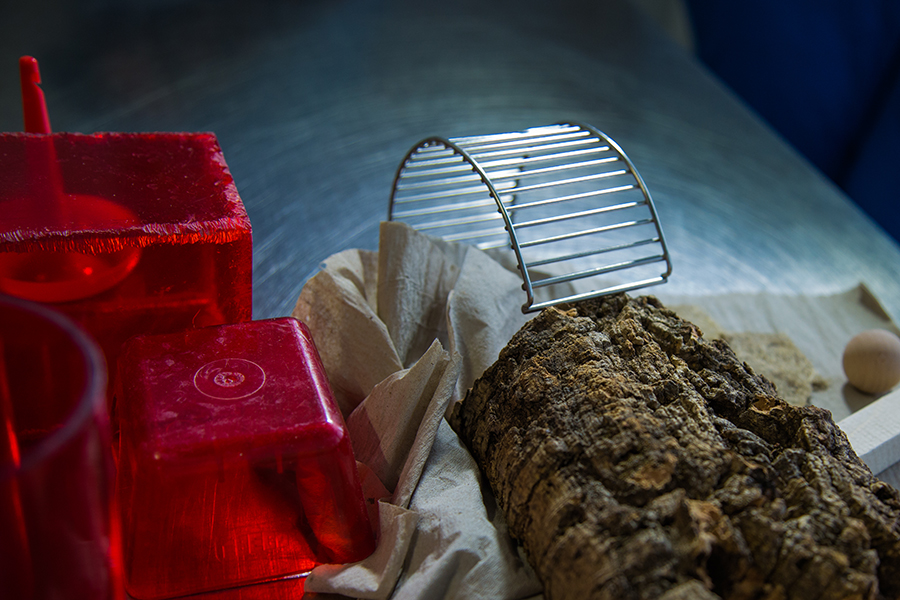
A variety of materials and shelters help create a stimulating environment and provide activities. Photo © Netsanet Belay
-
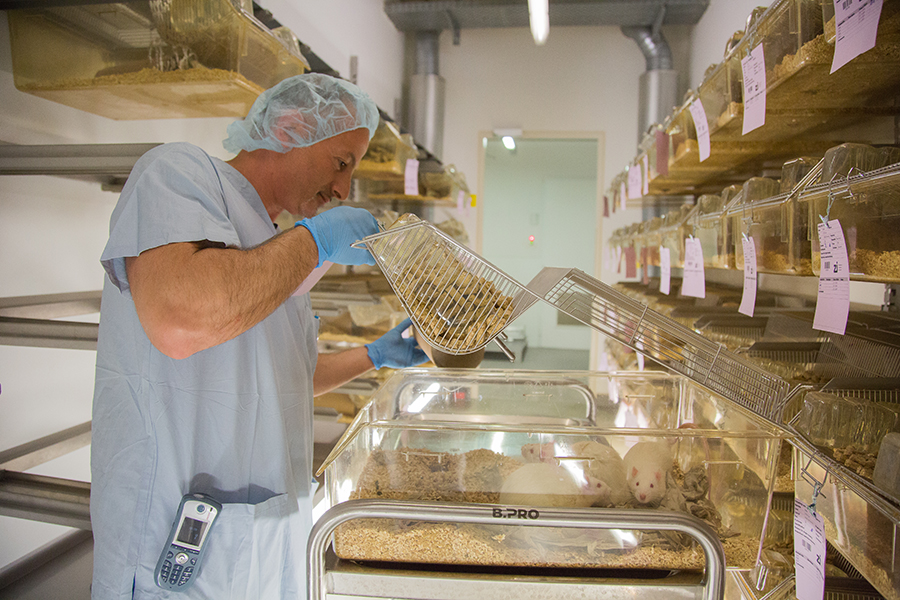
Animal care. Photo © Netsanet Belay
-
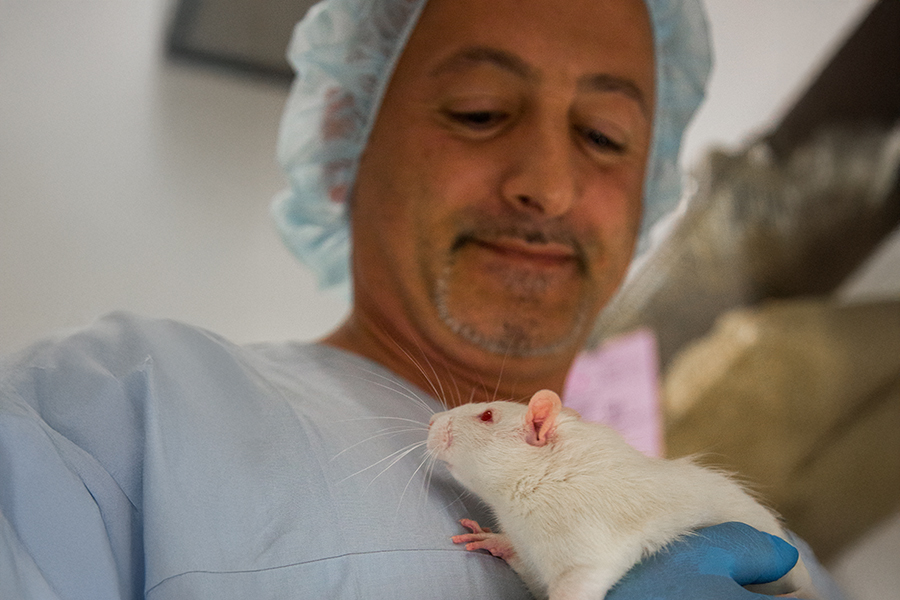
Handling the animals calmly and gently. Photo © Netsanet Belay
-
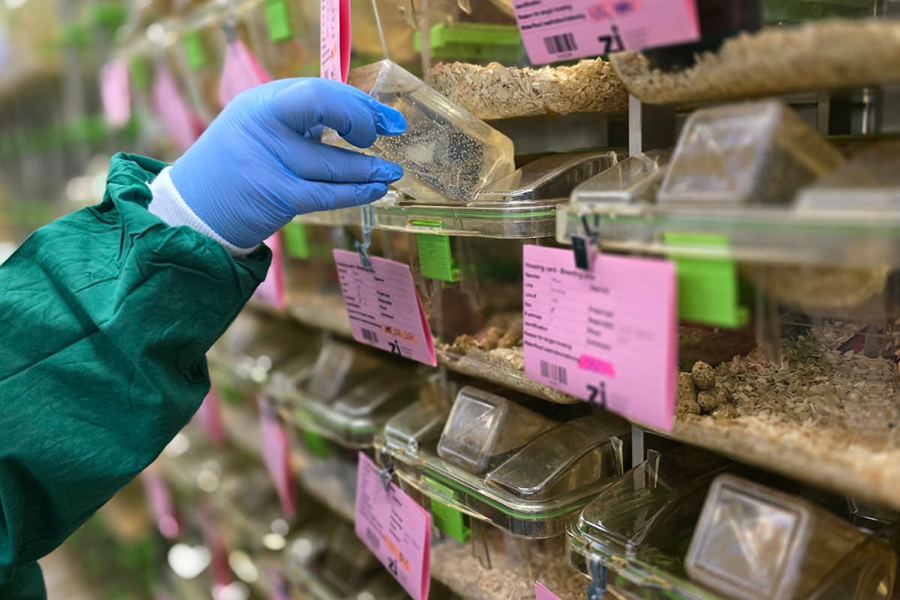
Highest hygiene standards: individually ventilated cages with a unique microclimate in each cage for our mice. Photo © Animal Laboratory
-
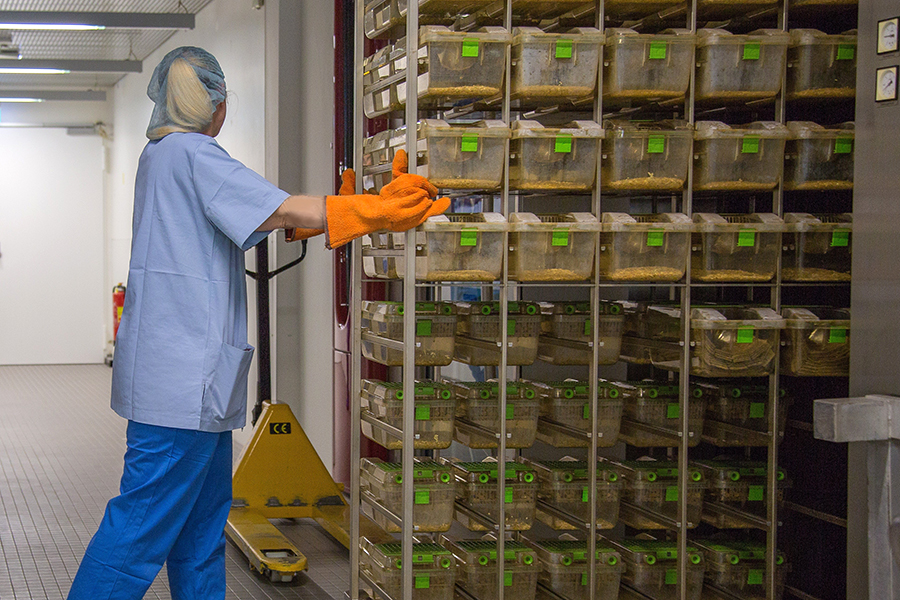
To ensure the highest standards of hygiene, we use cage materials that have been sterilized in an autoclave. When handling them, we wear protective gloves for thermal insulation. Photo © Netsanet Belay
-
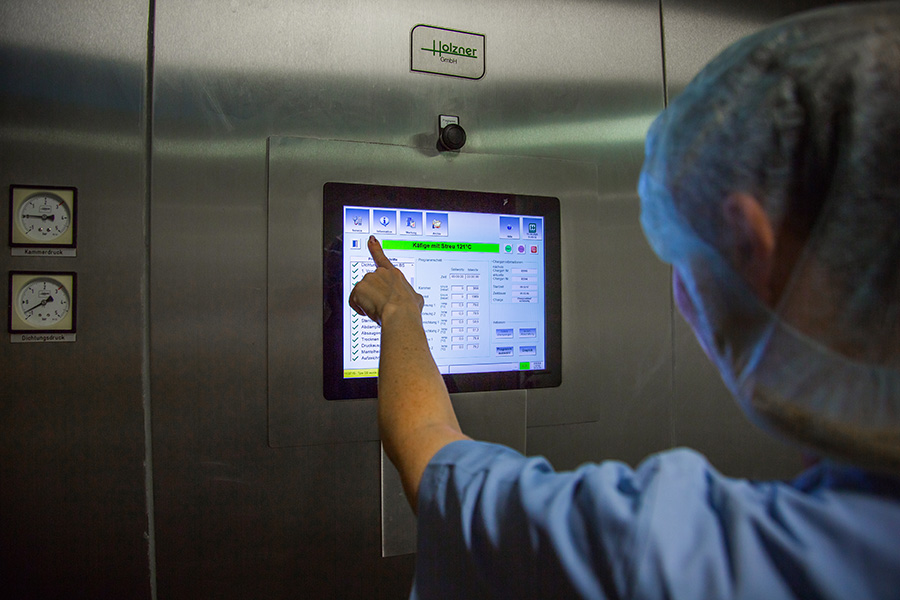
In the autoclave, the material is hygienically processed using heat and pressure in special sterilization cycles. Photo © Netsanet Belay
-
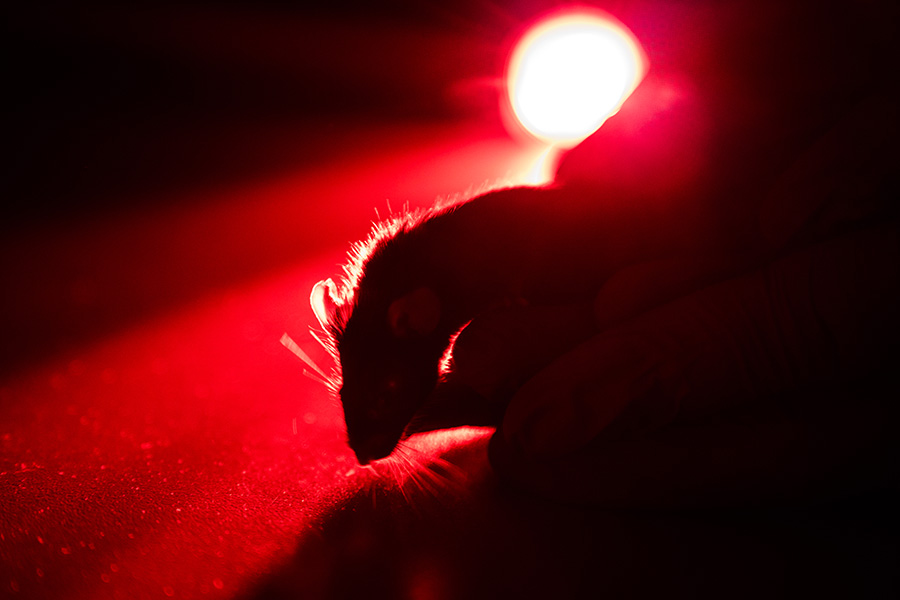
Mice and rats are nocturnal. Experiments are therefore conducted under an inverted day-night cycle, illuminated by red light, which rodents can barely perceive. Photo © Netsanet Belay
-
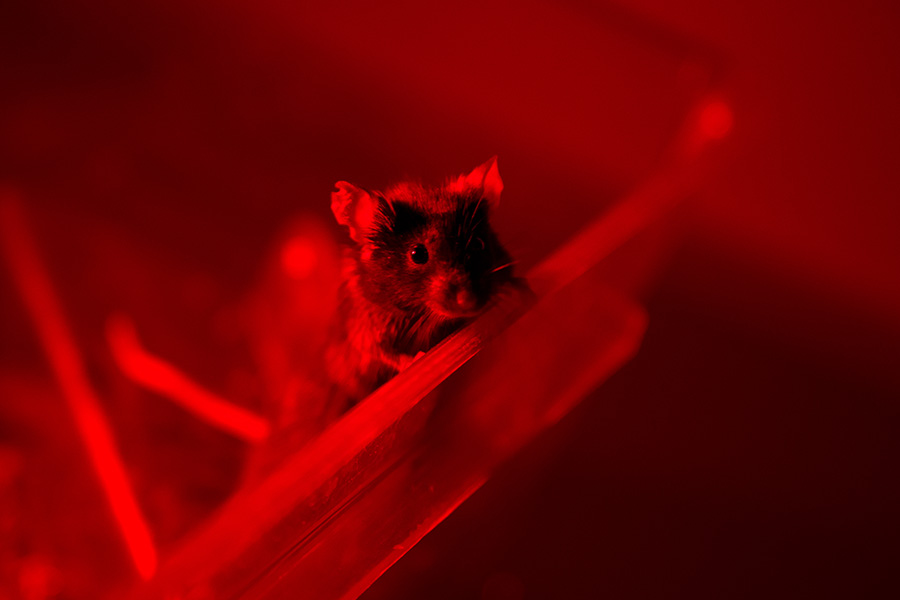
Photo © Netsanet Belay
-
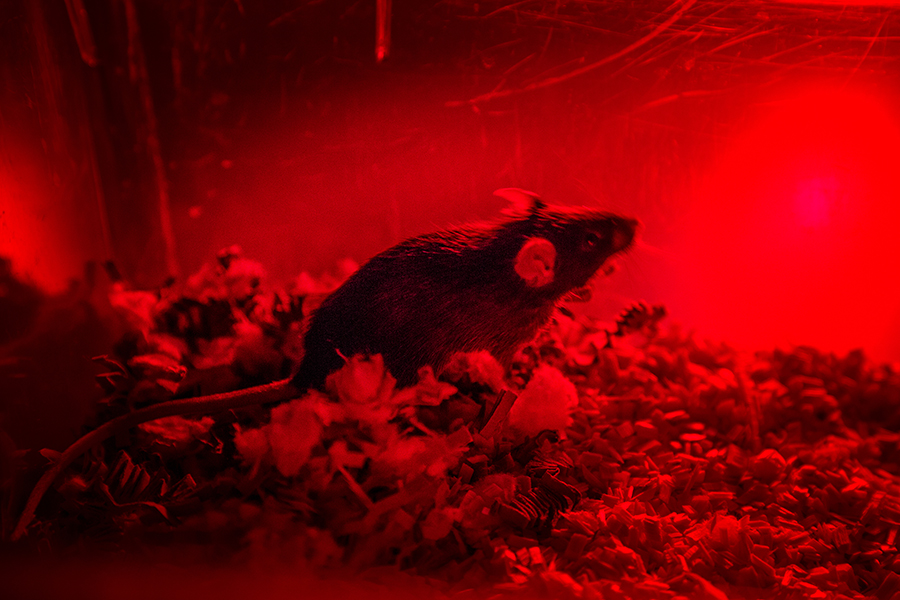
Photo © Netsanet Belay
-
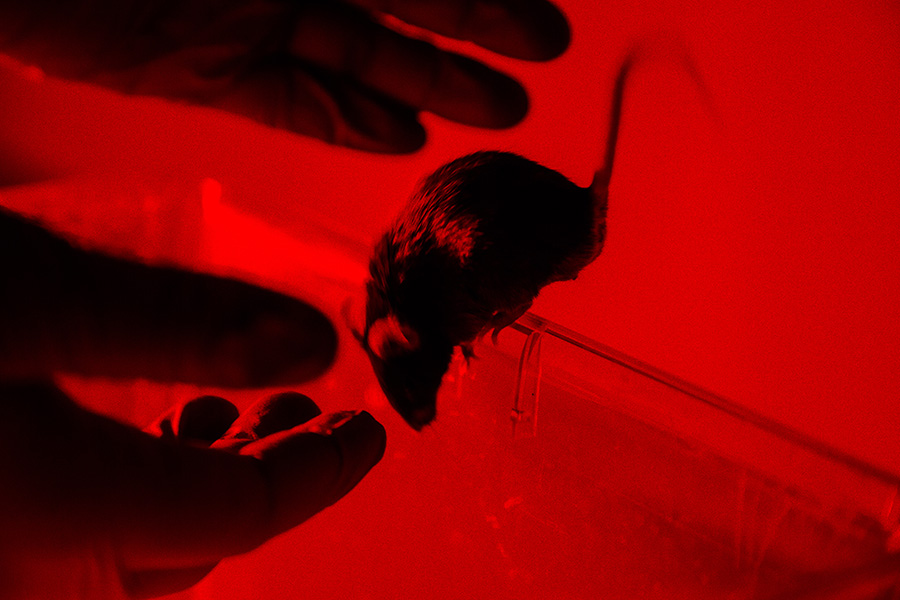
Photo © Netsanet Belay
-
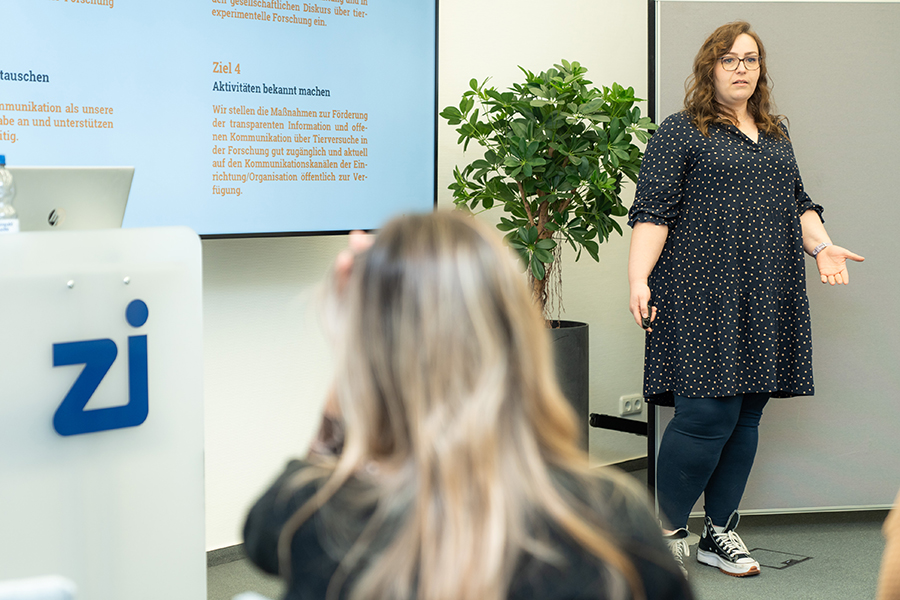
To promote transparent communication, Dr. Anne Mallien regularly presents the animal laboratory during the orientation day for new employees. Even critical questions are answered openly so that employees can form their own opinions and feel that their concerns are taken seriously. Photo © CIMH
-
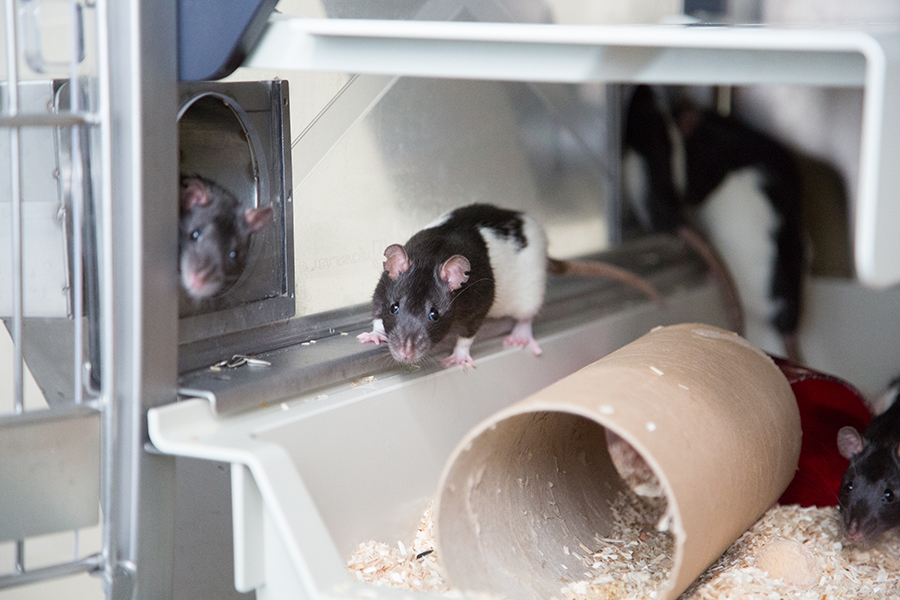
More space for play and activities: The new play area was created as part of a project by the Animal Welfare Committee. Photo © Netsanet Belay
-
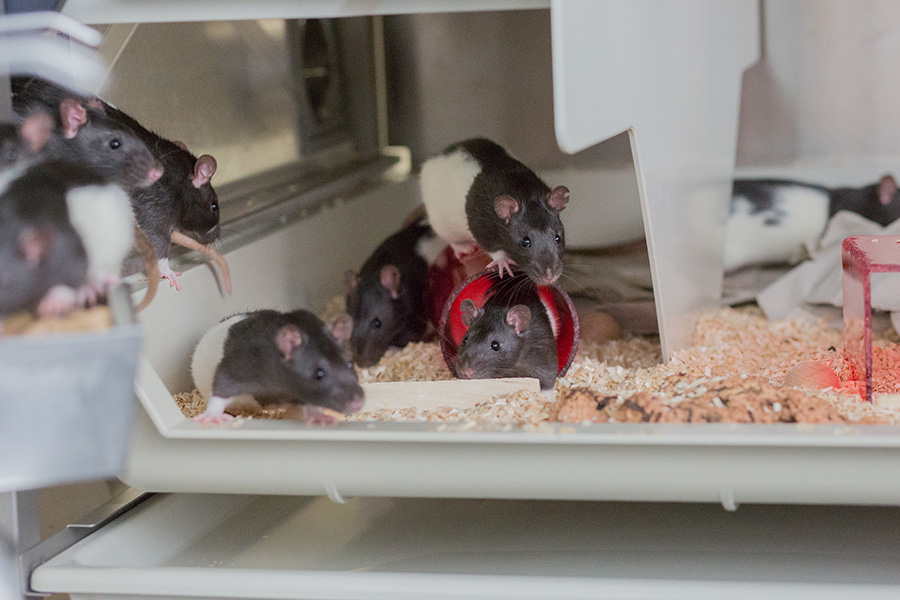
Photo © Netsanet Belay
-
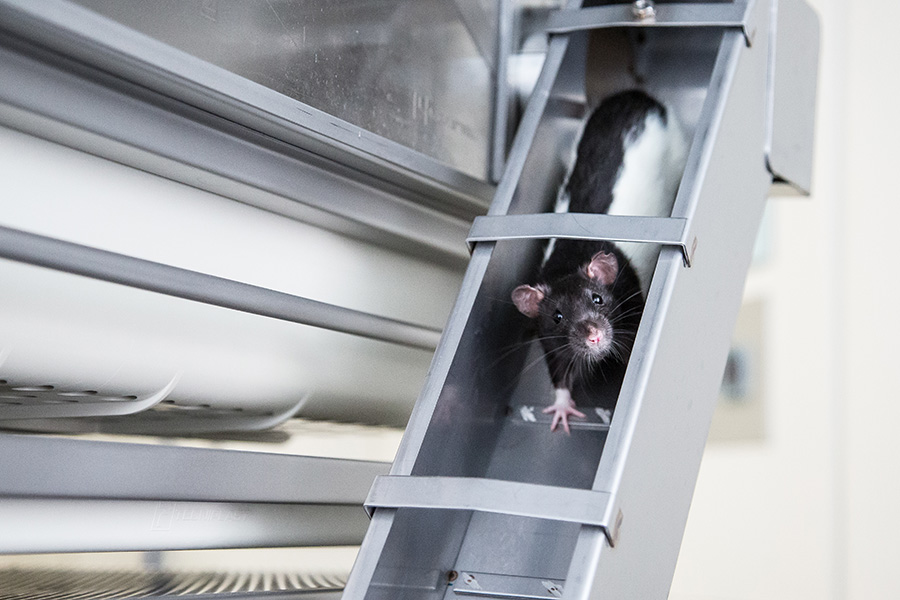
A rat uses the staircase in the newly developed play area. Photo © Netsanet Belay
-
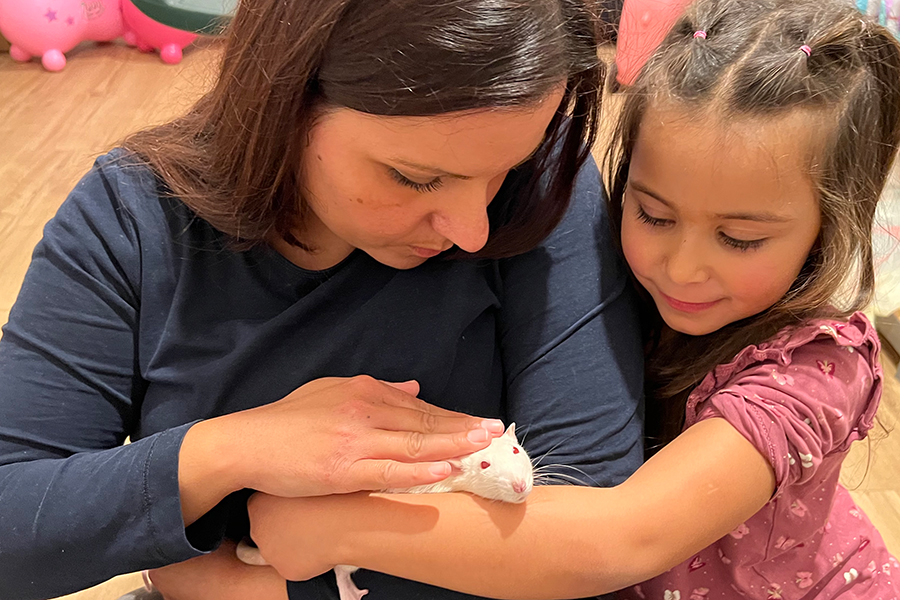
A look at successful adoptions: Rats in new, responsible homes. Photo: private
-
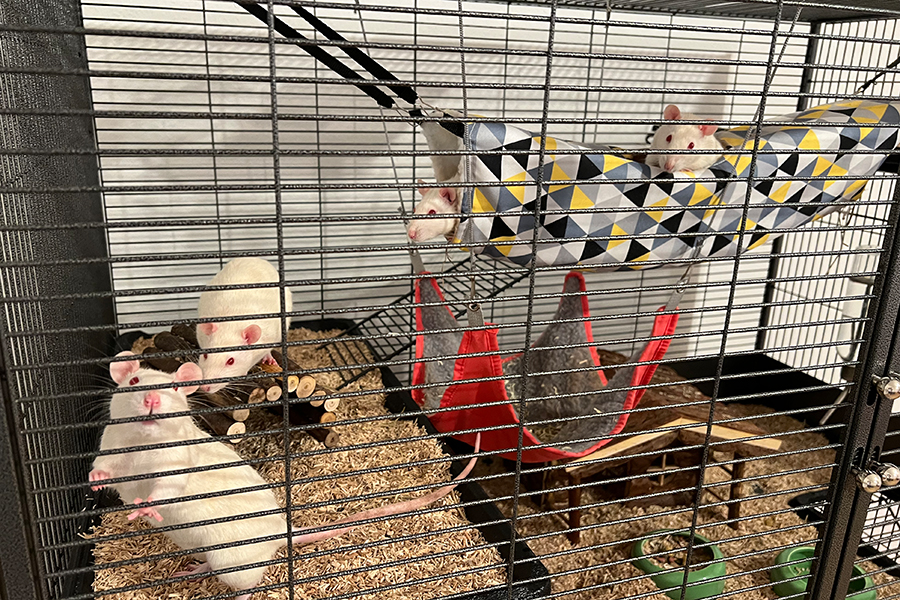
When placing animals with private individuals, we prioritize group housing and inspect the living conditions and enclosures in advance. Photo: private
-
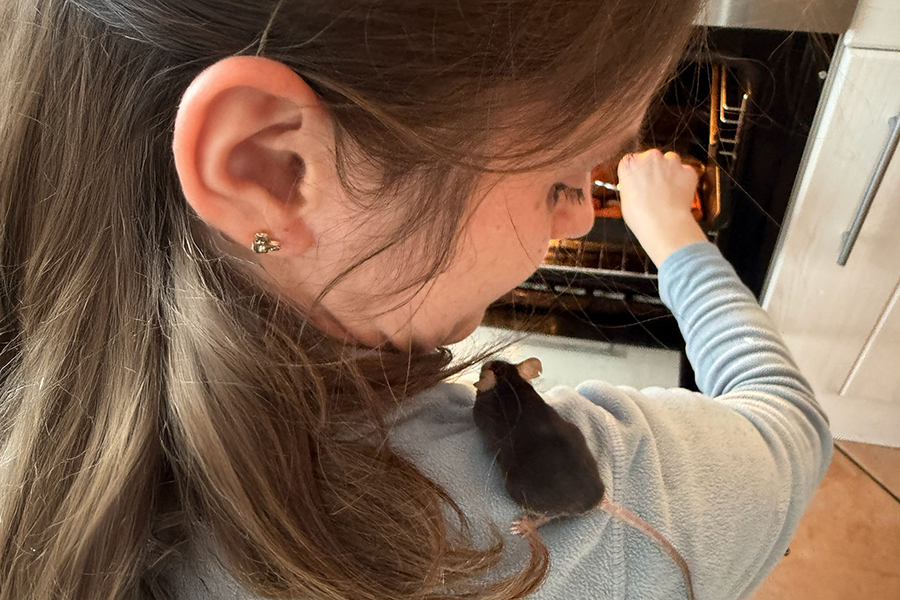
Our mice are also very friendly around people. Photo © Hasiland and Nagerglück


Zentralinstitut für Seelische Gesundheit (ZI) - https://www.zi-mannheim.de